
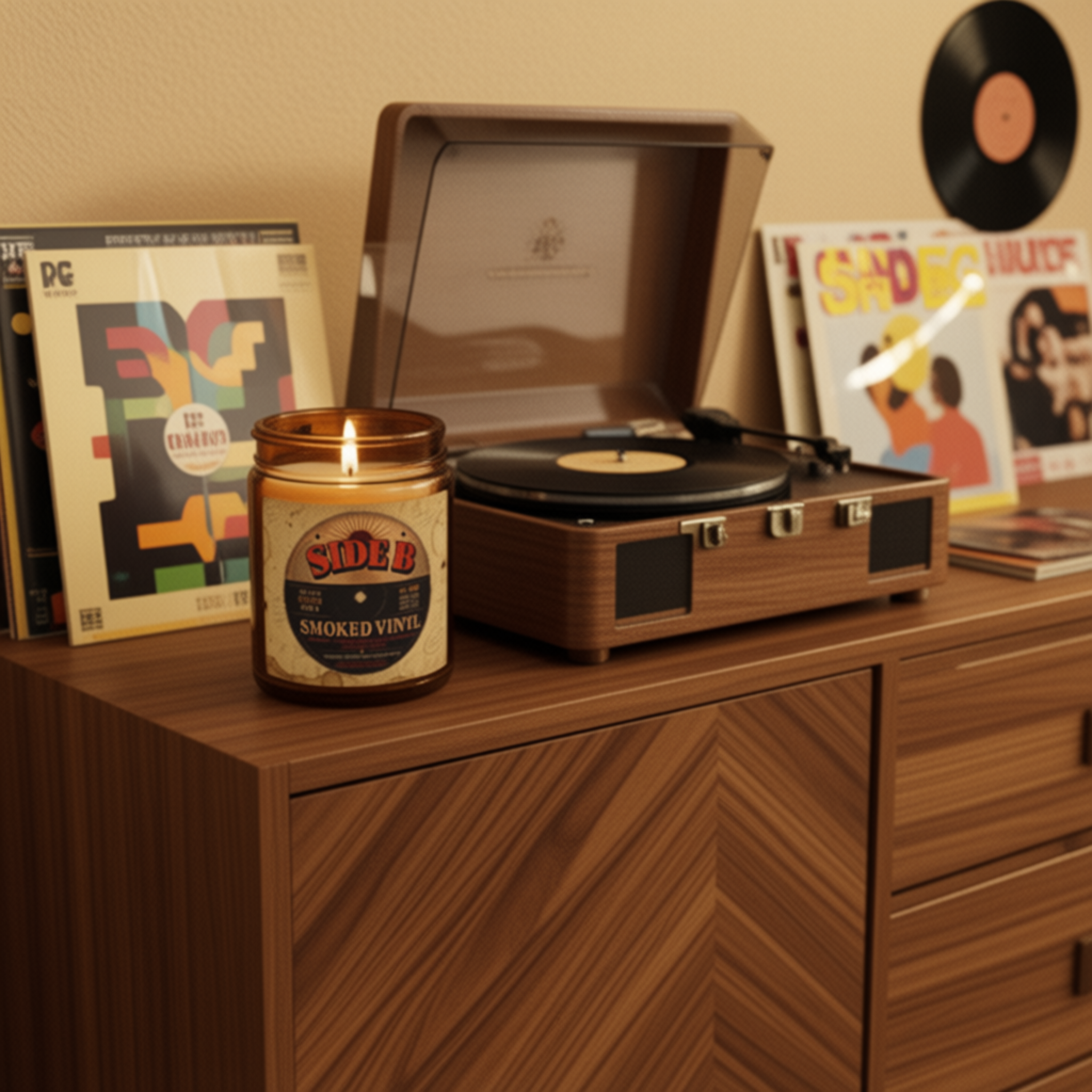
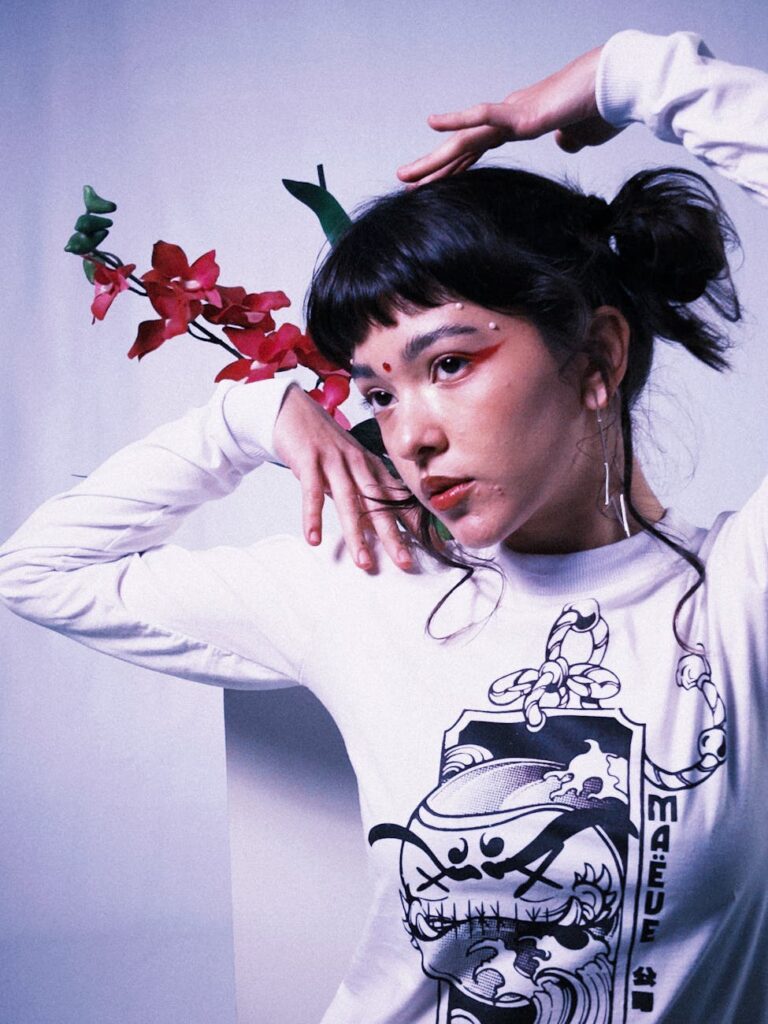
Let’s be real — the vintage aesthetic isn’t going anywhere. From faded band tees and washed-out collegiate fonts to old-school athletic wear and ’70s color palettes, retro is having its (perpetual) moment. And if you’ve ever thought, “I could design something way cooler than that,” — you probably can. The barrier to entry for launching your own clothing brand has never been lower, and Printify is a big reason why.
But before you start slapping iron-on lettering on everything, let’s talk strategy. Because there’s a difference between making something that looks retro and building a brand people actually want to buy from.
What Is Printify, and Why Should You Care?
Printify is a print-on-demand platform that connects you with a global network of print providers. You design it, someone orders it, Printify prints it and ships it — and you never have to touch a box of inventory. No upfront stock costs. No garage full of unsold hoodies. Just your designs, your margins, and your creative vision.
For a retro clothing brand specifically, this is the jam. Why? Because retro aesthetics live or die by variety. You might want to test a sun-faded graphic tee alongside a varsity-style crewneck and a beat-up trucker hat — and with Printify, you can do exactly that without betting your savings on bulk orders.
Step One: Design First, Dream Later
Here’s where most people trip up. They go hunting for products before they’ve got a design direction. Don’t do that. Figure out your visual language first.
For a retro brand, you’re likely working with:
- Distressed textures and vintage washes
- Retro typography (think 1970s sports, ’80s arcade, or ’90s skate culture)
- Muted, earthy color palettes — burnt orange, olive, rust, cream
- Nostalgic imagery — old maps, retro mascots, vintage badges
Two platforms that pair beautifully with Printify for this kind of work are Canva and Kittl.
Canva is your go-to if you want speed and simplicity. Its template library is massive, the drag-and-drop interface is dead easy, and the Pro version unlocks background removal and brand kit features that are genuinely useful once you’ve got a consistent aesthetic locked in.
Kittl, on the other hand, is the one retro designers tend to get obsessed with — and for good reason. It’s built specifically for detailed, vintage-style graphic design, with distressed effects, retro fonts, and aged textures baked right in. If you’ve ever tried to fake a worn-out look in Canva and gotten frustrated, Kittl is your answer. It’s built for exactly this.
Neither one requires you to be a graphic designer. Both export the file types Printify needs. Start with one, get comfortable, then explore the other as your brand grows.
Step Two: Know What to Actually Put Your Designs On
This is where some real research is required and where a lot of people get ahead of themselves. Not every product makes sense for a retro brand. A retro-themed water bottle? Probably not. A retro-branded candle? Interesting, but let’s stay in our lane.
For a vintage clothing aesthetic, you want products that feel the part. Think about what vintage actually looks like in the wild:
- T-shirts — the undisputed anchor of any retro brand. Look for heavyweight, ringspun cotton options on Printify for that authentic feel. Our personal favorite is the Unisex Garment Dyed T-Shirt, a tee that brings that slightly thick, worn-in feel like the tees of the past
- Sweatshirts and hoodies — especially crewnecks, which have a very distinct old-school energy.
- Hats — dad hats, trucker caps, and 5-panel styles all carry retro credibility.
- Stickers and Buttons – you had them on your bookbag, on your school lockers, even on your Keds. Guess what? People still buy these
- Long-sleeve tees — great for layering season and very collegiate.
- Tote bags — increasingly, these are fashion accessories, not just grocery bags. Backpacks and Fanny Packs also pair well with a retro aesthetic
What you want to avoid early on is spreading yourself too thin across too many product types. Pick two or three hero products, nail your designs on those, and build from there.
One important note: not all print providers on Printify are equal. Check the print locations, quality ratings, and production times for each product you’re considering. Order samples before you ever list anything for sale. Seriously, do not skip this step. What looks great on a mockup can look very different in person.
Step Three: Know Your Audience Before You Know Your Product
Here’s a truth that saves people a lot of money: figure out what resonates before you invest in it.
The smartest move you can make before launching is building a social media presence first. Start sharing retro content — mood boards, design process clips, vintage inspiration, even behind-the-scenes of you messing around in Kittl. See what people engage with. Which color palettes get saves? Which graphics get shared? What era of retro aesthetic are people most excited about?
Instagram and TikTok are your best friends here. Pinterest is underrated for building aesthetic authority in a niche. You don’t need a massive following; you need an engaged one. Even a few hundred people who genuinely love what you’re doing will tell you more than any market research report.
By the time you’re ready to launch, you’ll already know what your first drop should look like — because your audience will have basically told you.
Step Four: Start Selling (But Start Simple)
Once you’ve got designs you’re proud of and a product lineup that makes sense, it’s time to set up shop. And here’s our honest advice: start with one platform and master it before expanding.
Etsy is the ideal starting point for a retro clothing brand, for a few reasons:
- It has built-in discovery for niche aesthetic products. People actively search Etsy for exactly the kind of thing you’re making.
- The barrier to entry is low. You can list products within a day.
- It integrates directly with Printify, so orders flow automatically.
- It gives you real sales data, real customer feedback, and real insight into what’s working — all before you’ve invested in building out a full standalone store.
Other platforms like Shopify, WooCommerce, Amazon, and Amazon Merch are all great, and Printify connects with all of them. But those platforms require more setup, more marketing infrastructure, and more of your attention. The goal with Etsy is to learn: learn what sells, learn your pricing sweet spot, learn how customers describe what they want (because those descriptions become your SEO goldmine later).
Once you’ve got consistent sales and you understand your niche, then you expand. Build a Shopify or WooCommerce store with your full brand experience. Start a newsletter. Maybe add Amazon when you’ve got consistent sales that give you real data. But don’t try to be everywhere on day one. Diluted effort is the enemy of momentum.
The Retro Brand Checklist (Before You Launch)
Final Word
Building a retro clothing brand isn’t complicated, but it does require patience, passion, a genuine eye for aesthetics, and the willingness to do your homework before going all-in on products. The combination of Printify’s flexibility, Canva or Kittl’s design power, and Etsy’s built-in audience gives you everything you need to test, learn, and grow without risking your life savings.
Start small. Design with intention. Know your audience. Then scale what works.
The vintage market is wide open — and with the right tools, your brand could be the one people are hunting for years from now.
Some links in this post are affiliate links. If you click through and make a purchase, we may earn a small commission — at no extra cost to you. We only recommend tools we actually believe in.
